DiasporaDNA: Philly Festivals
Role: UX Researcher, Product Designer Duration: September-December 2025
Context
Redesign the Philly Festivals website into a centralized platform for discovering, planning, and experiencing festivals
DiasporaDNA, a cultural organization supporting Philadelphia’s diaspora communities, partnered with our team to redesign the Philly Festivals website.
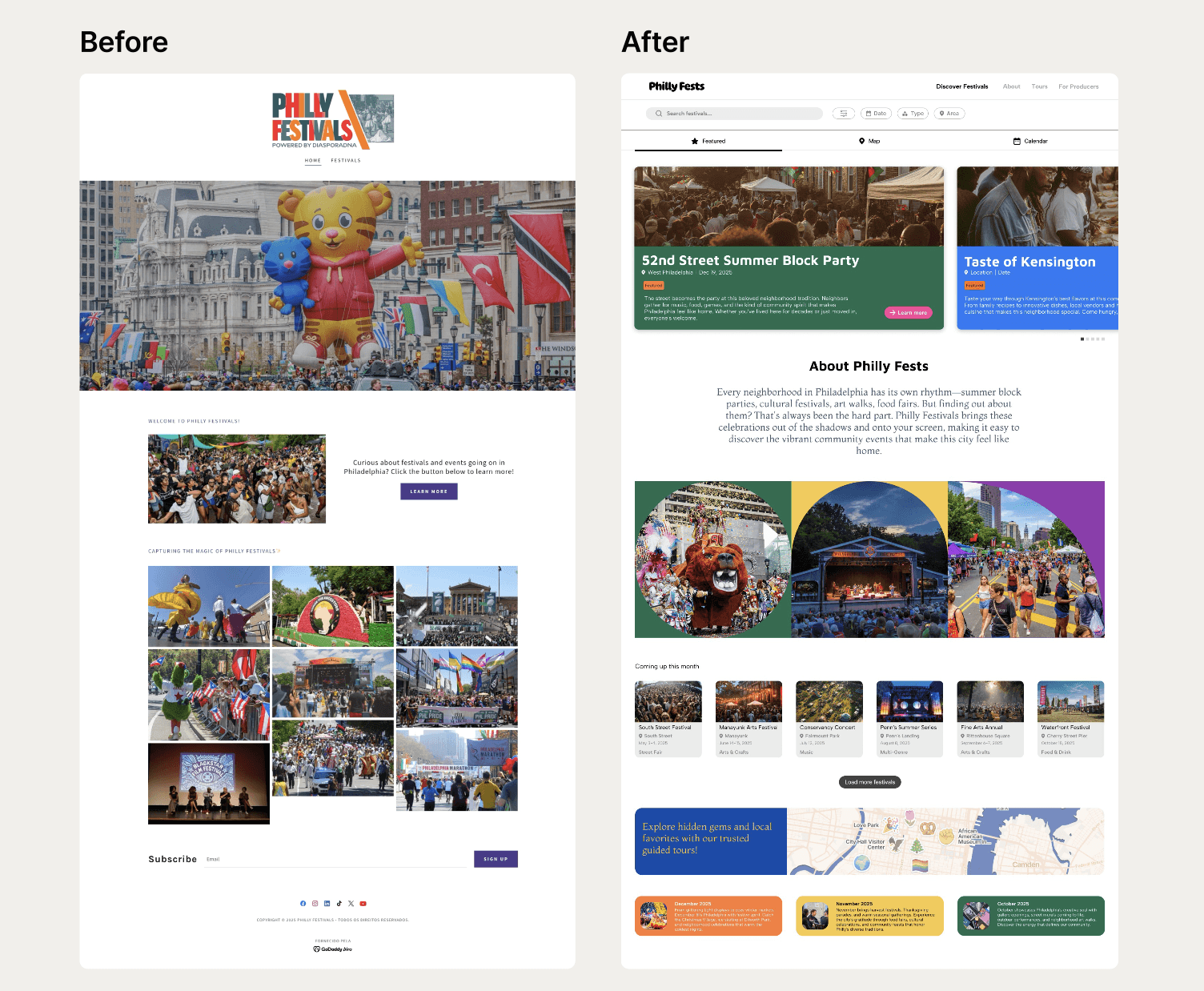
The goal: move from a static event listing to a platform that better supports festival-goers, producers, and the broader cultural community ahead of Philadelphia’s 250th anniversary.
Overview
Festivals are inherently social, cultural, and community-driven experiences.
But discovering and planning them doesn’t feel that way.
This project started with a simple question:
How might we create a centralized hub that supports local festival attendees, producers, and tourists by providing trustworthy information, cultural depth, and inclusive accessibility?
Problem
The existing experience made it difficult for users to explore and engage with festivals
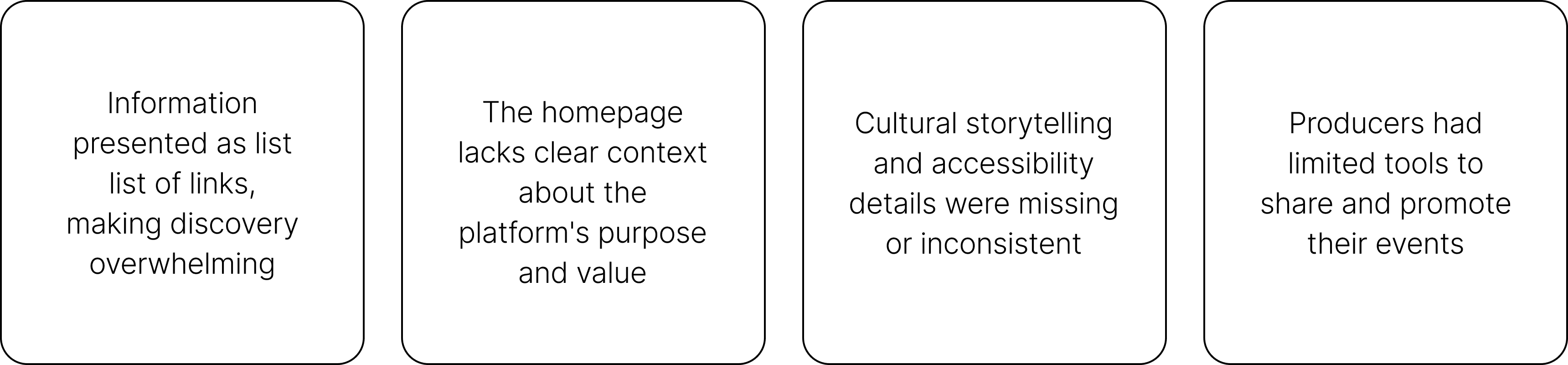
As a result, users relied on multiple platforms to make decisions and often lacked the confidence to commit.
Research
Conducted mixed-method research to understand both sides of the ecosystem
Methods:
Competitive analysis of 50+ platforms
Interviews with festival-attendees and producers
Survey for festival-attendees (16 responses)
Stakeholder interviews
Content audit of existing PhillyFest site and DiasporaDNA Story Center
Highlights
Competitive Analysis
Key gaps we found:
No platform centers cultural heritage and community impact
Accessibility info is inconsistent or absent
Producer support is transactional (submit event, pay fee, done)
Social coordination features are weak or nonexistent
Our competitive advantage:
Cultural storytelling at the core
Producer support built-in (not just event listing)
Accessibility-first design
Dual audience: locals + tourists, with tailored experiences
Interviews + Surveys
What did we learn?
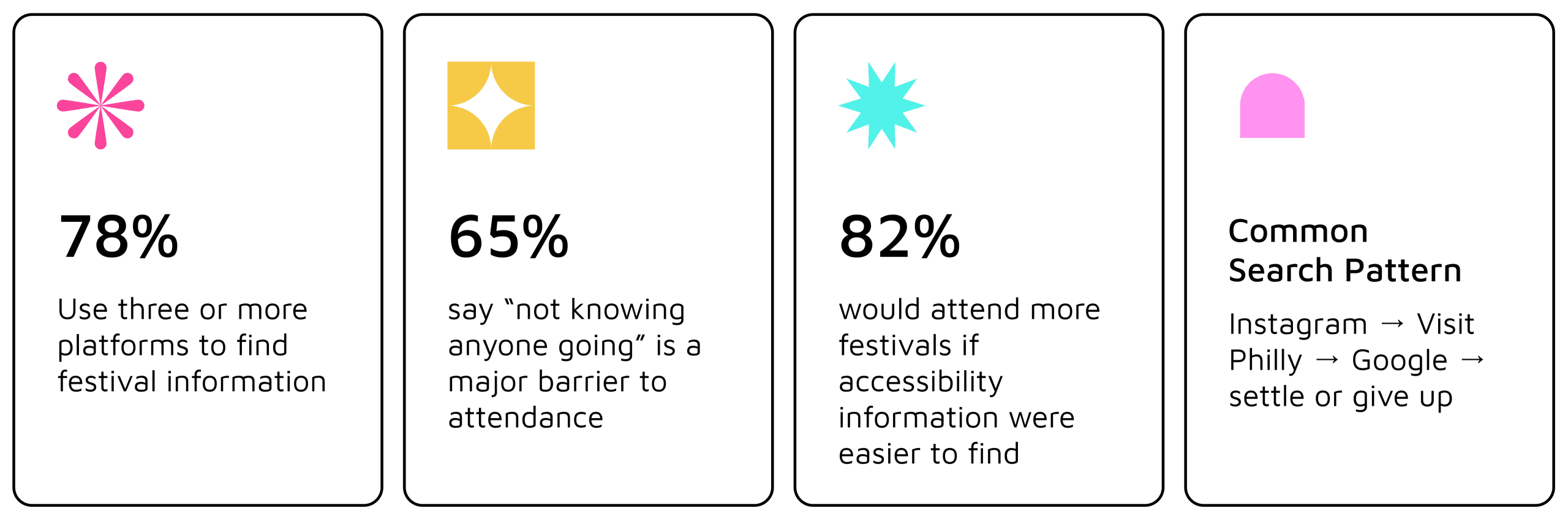
Festival attendees:
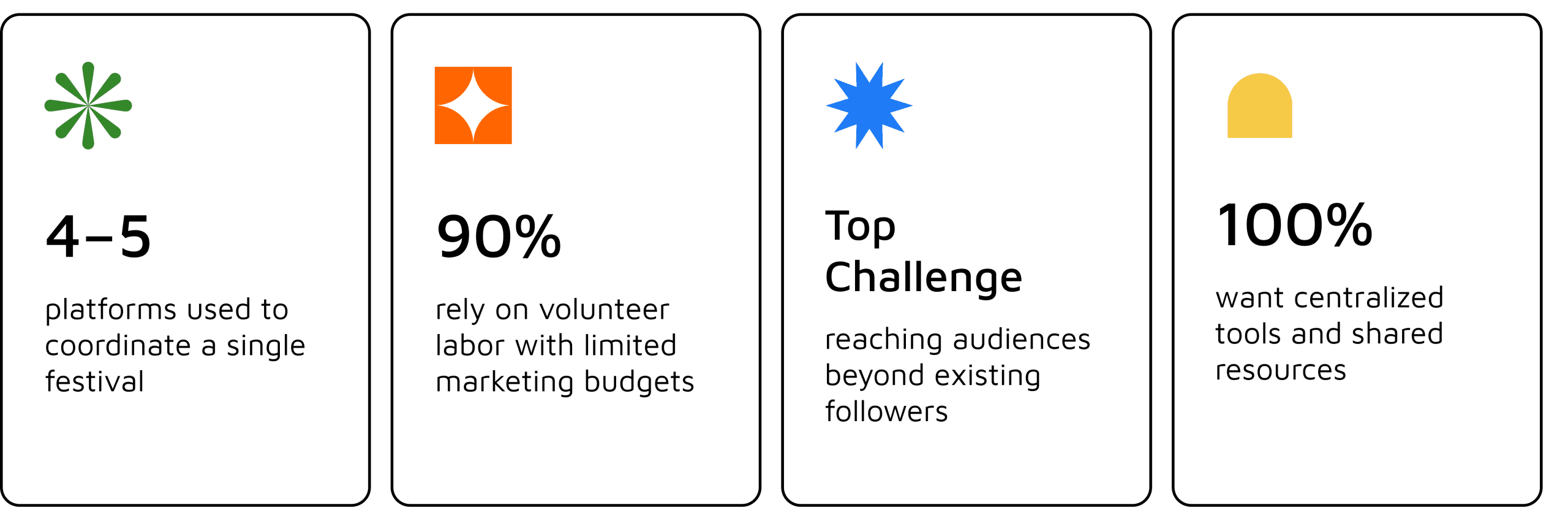
Festival producers:
Opportunity
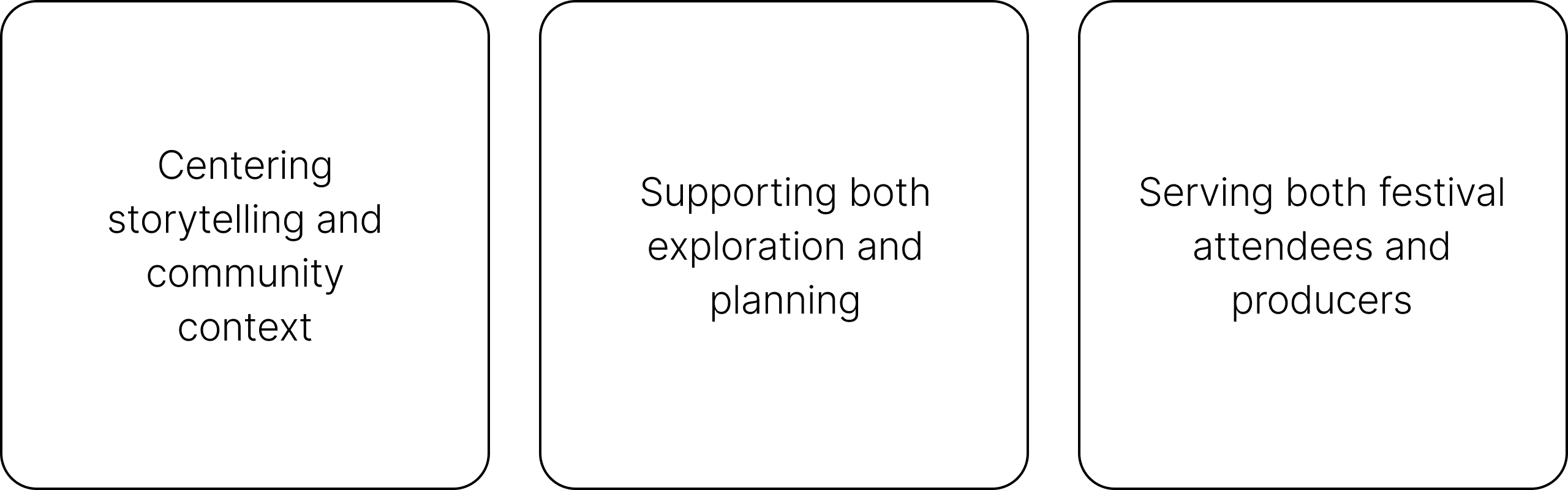
Festivals aren't just events, they're cultural expriences
The platform should reflect this by:
Scope
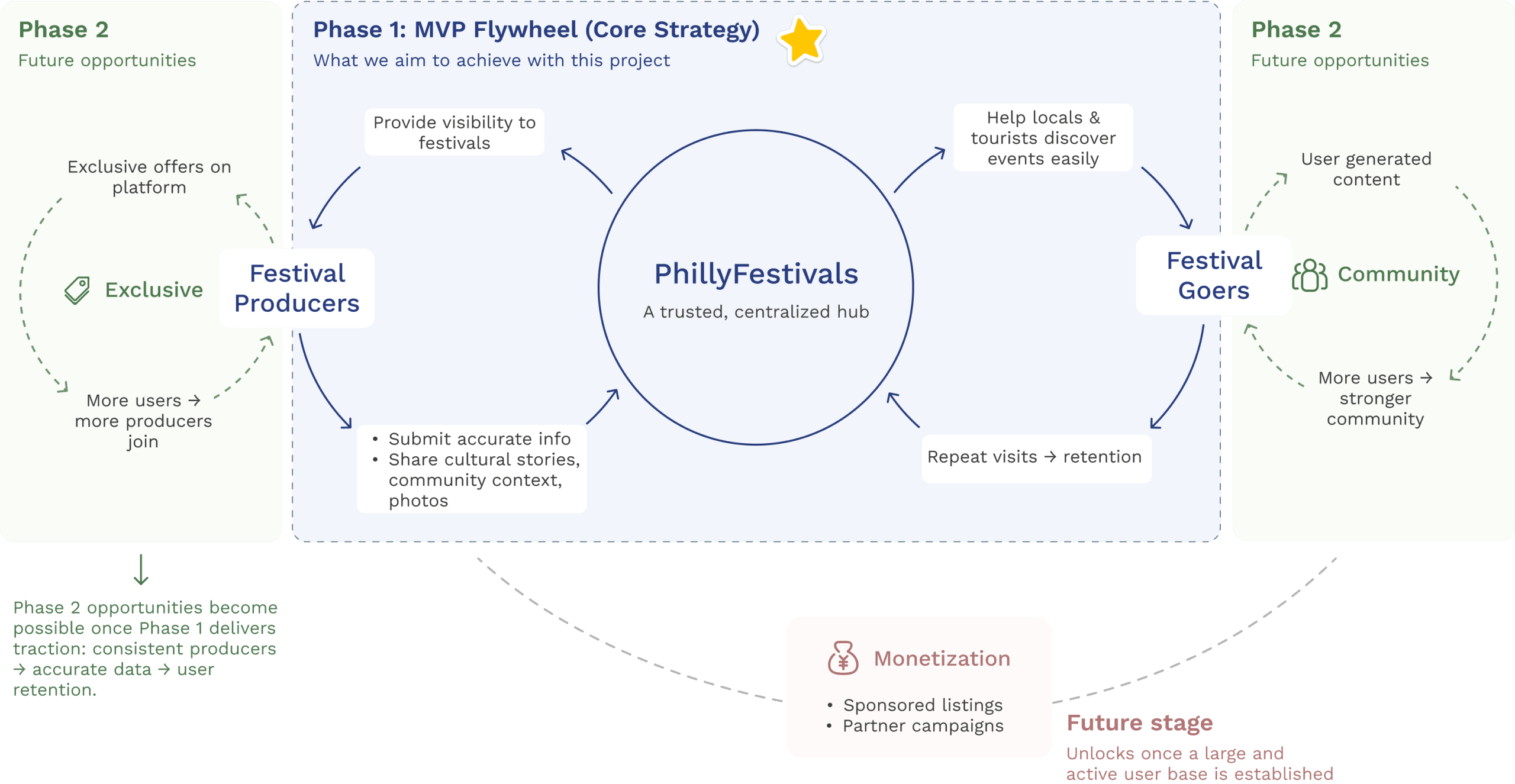
Because we were working with a nonprofit with a limited budget, we prioritized features using the RICE scoring method, focusing in on an MVP
We focused the MVP on:
Festival discovery (filters, search, browsing)
High-quality event information
Planning tools (calendar, schedule builder)
We intentionally deferred:
Social features
Ticketing systems
This allowed us to launch a lightweight, no-login MVP focused on trust, clarity, and repeat use—with monetization introduced only after sustained user adoption through sponsored listings and campaigns.
Concept
PhillyFests is a mobile-first festival discovery platform that transforms how users find, evaluate, and plan festival experiences
Instead of static listings, the platform acts as a centralized hub—combining discovery, planning tools, and cultural storytelling into one cohesive experience.
Design Direction
We restructured the platform around discovery-first navigation, transforming the homepage into a central hub
Map view for spatial exploration
Calendar view for time-based planning
Featured content for discovery
Supporting pages (culture, tours, producers) reinforced the mission while keeping the experience lightweight and focused.
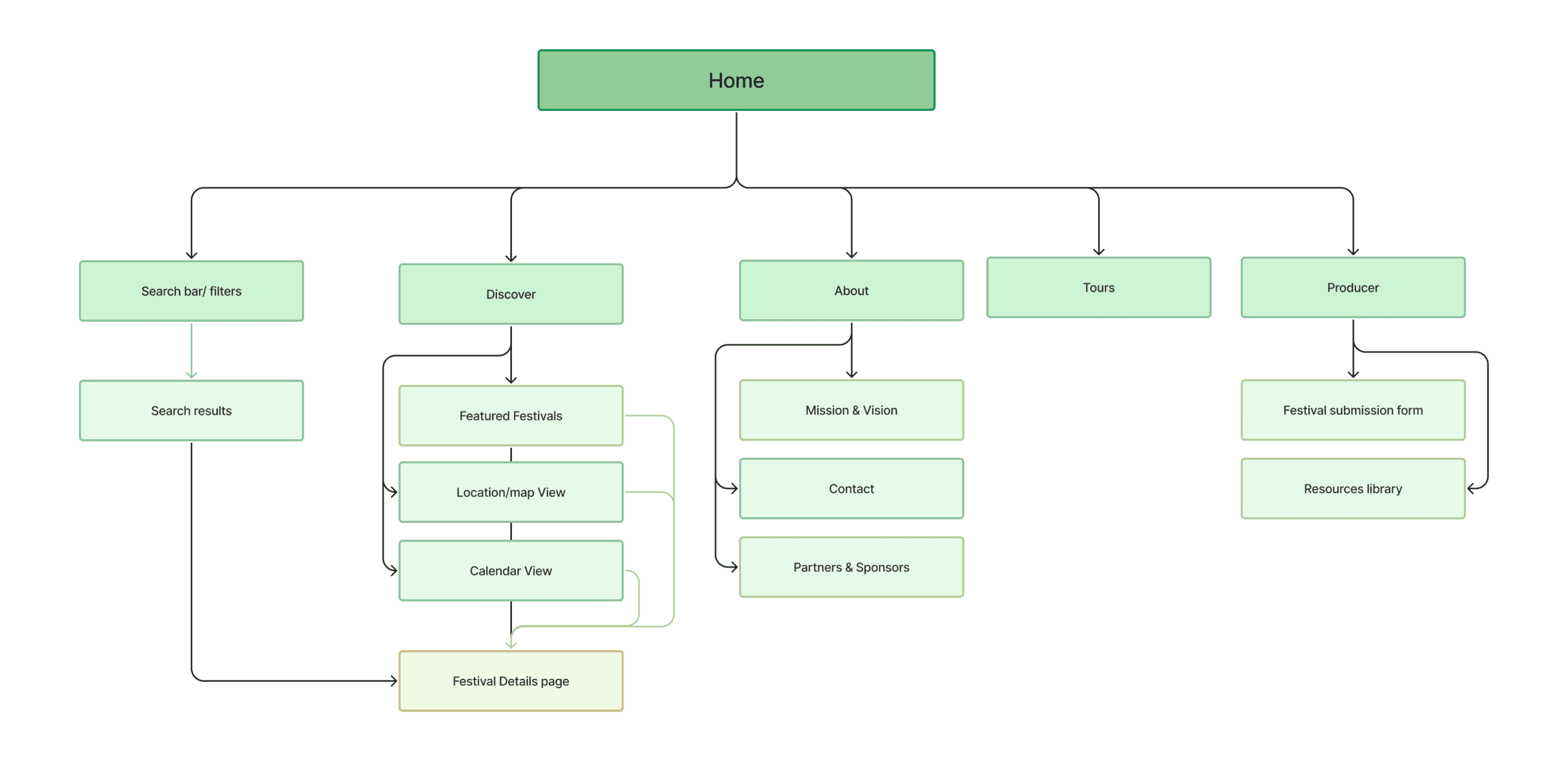
Information Architecure
Key Features
Festival Discovery (Homepage)
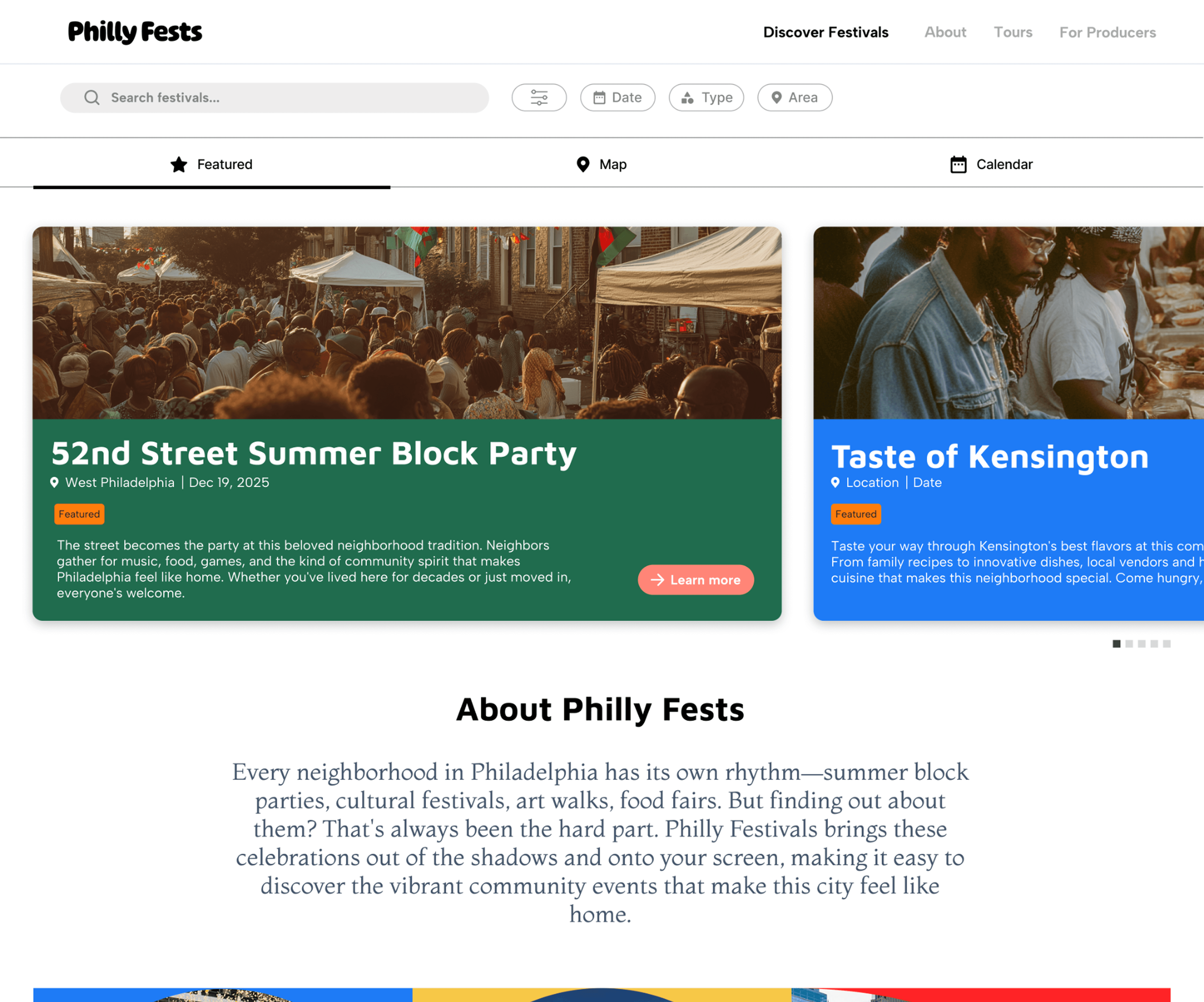
Featured festivals with category tags
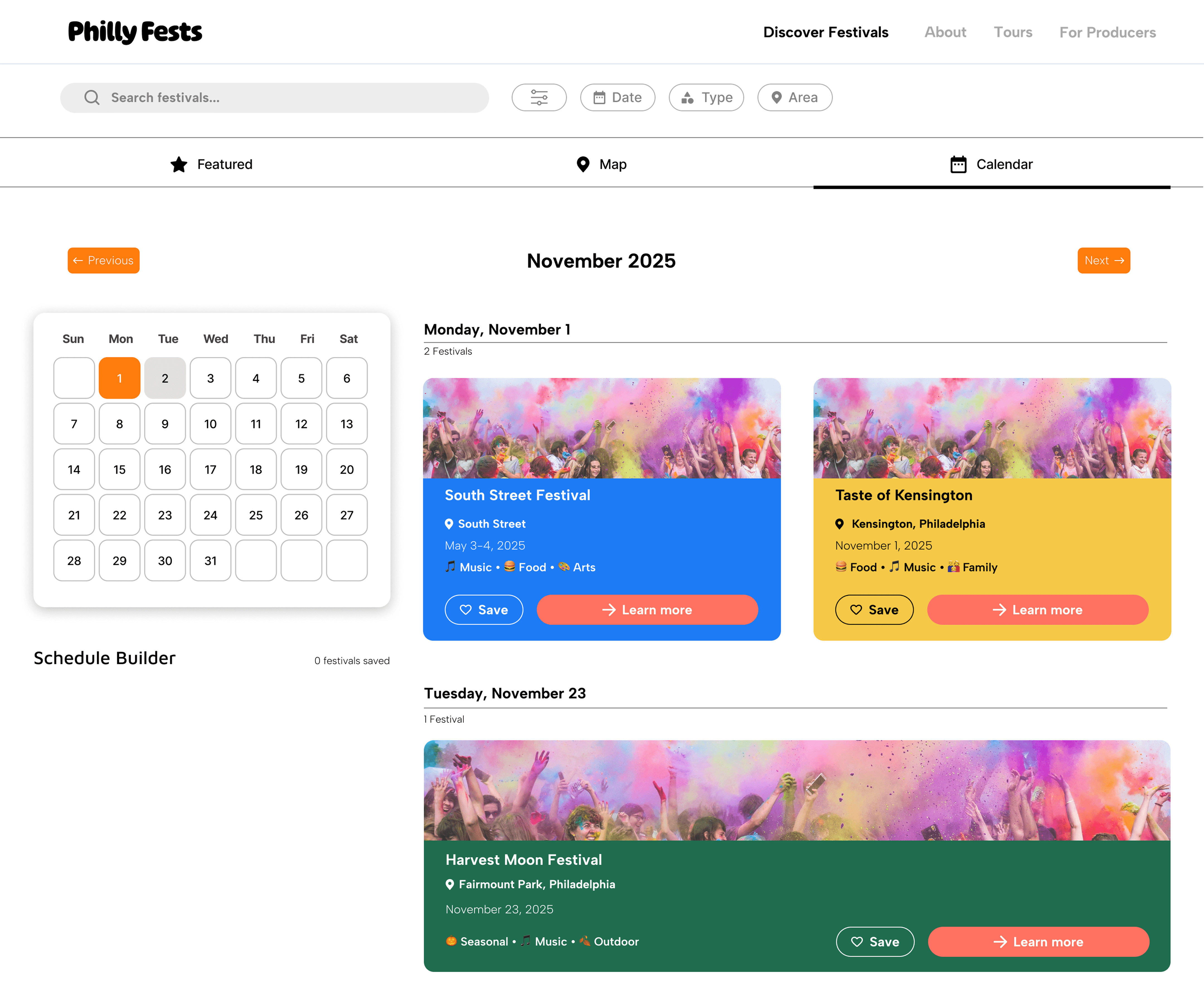
Calendar view
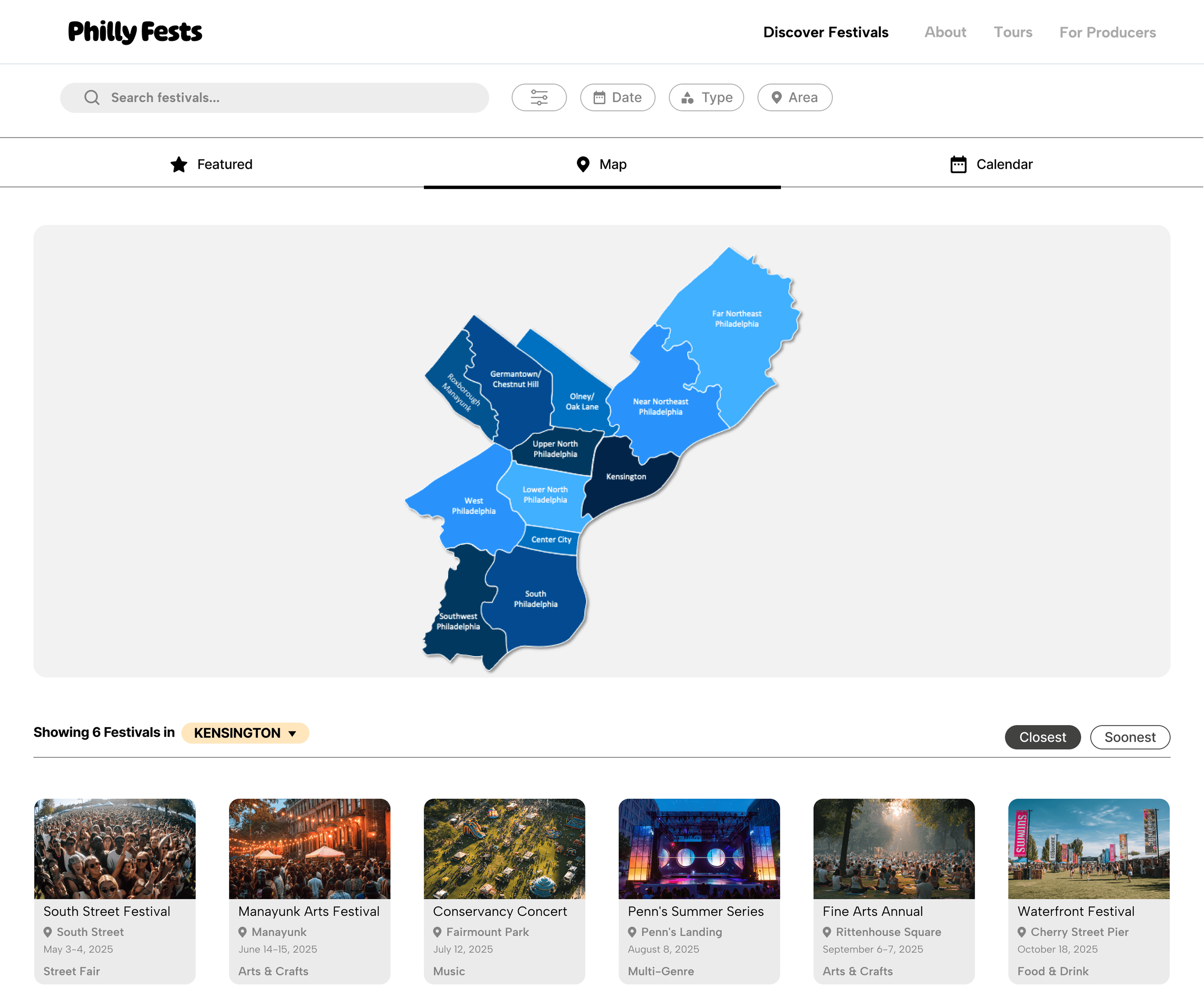
Map view
Festival Details
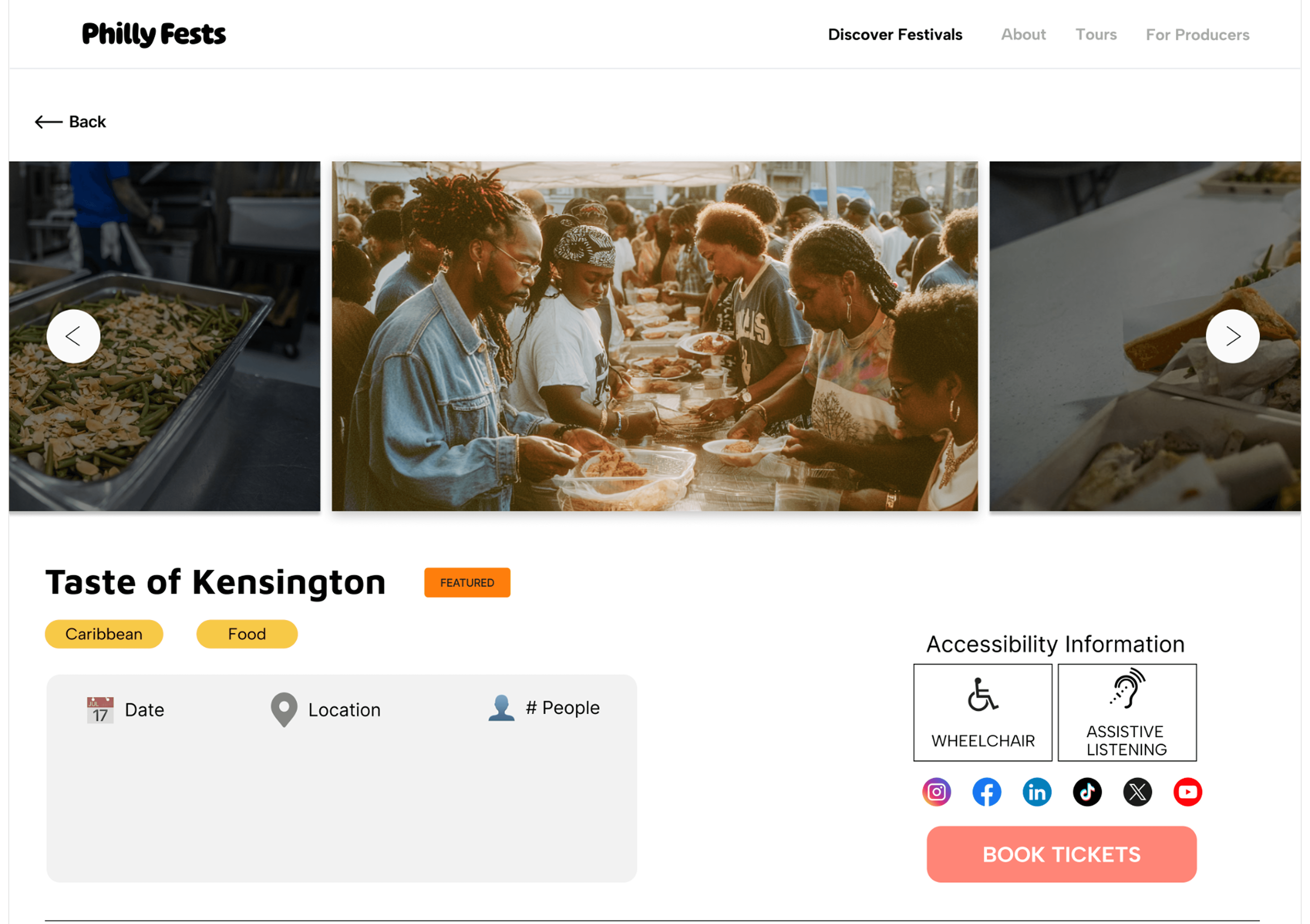
Clear event information(date, location, accessibility)
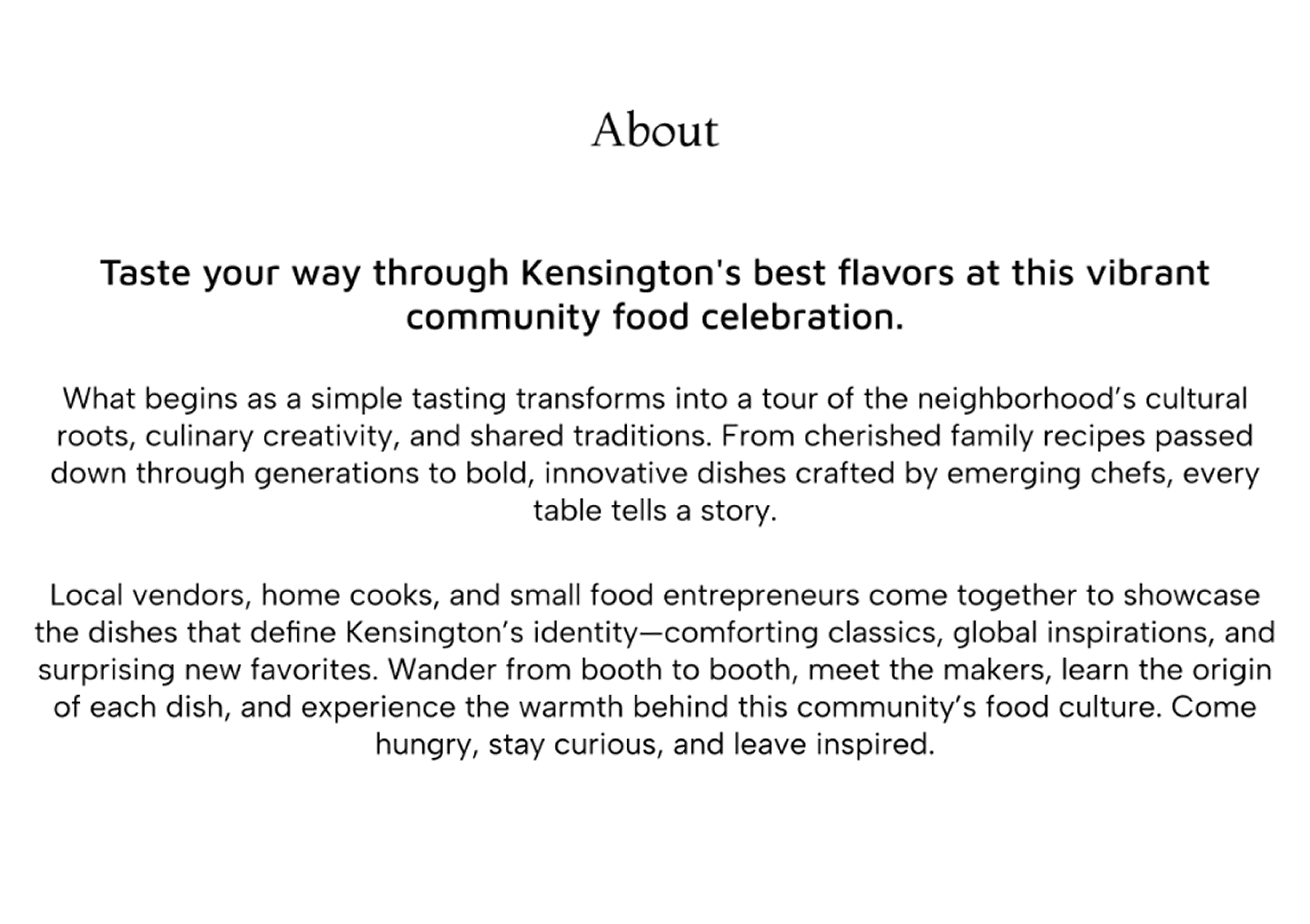
Cultural storytelling through imagery and content

Integrated planning tools (maps, parking & transit info, food, social)
Planning Tools
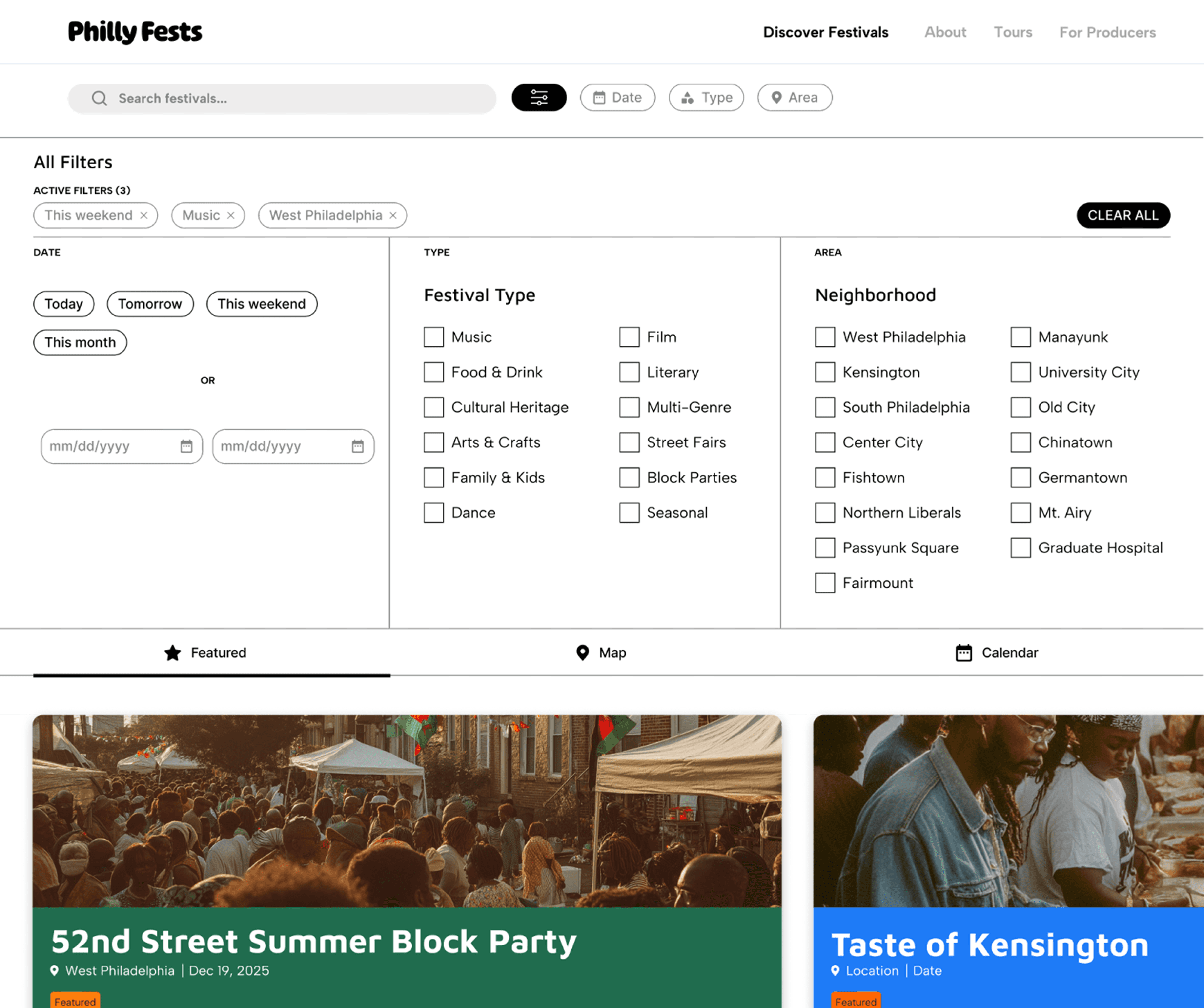
Quick filters (date, type, neighborhood)
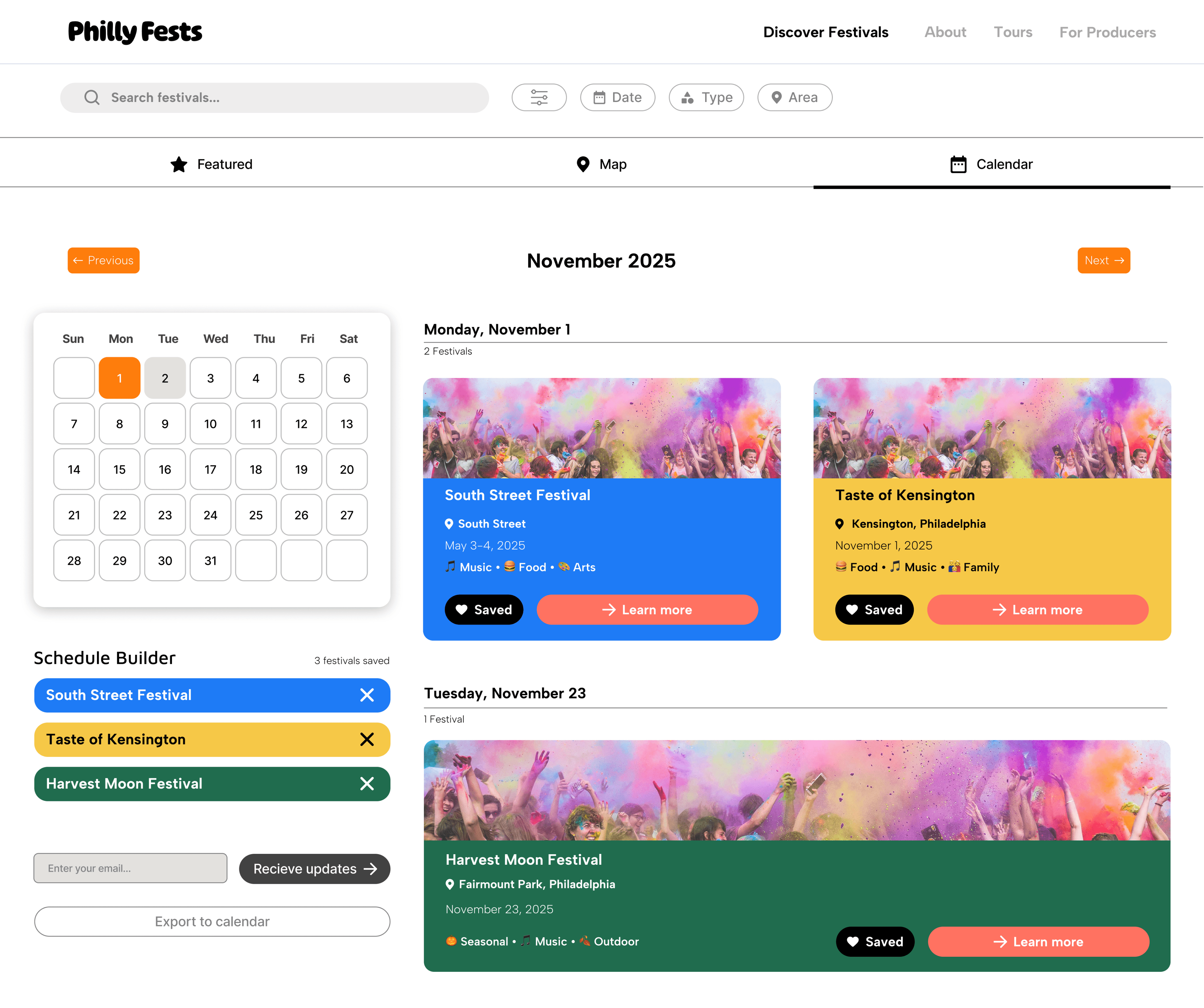
Schedule builder for saving and organizing events
Producer Experience
Streamlined event submission flow with submission tips
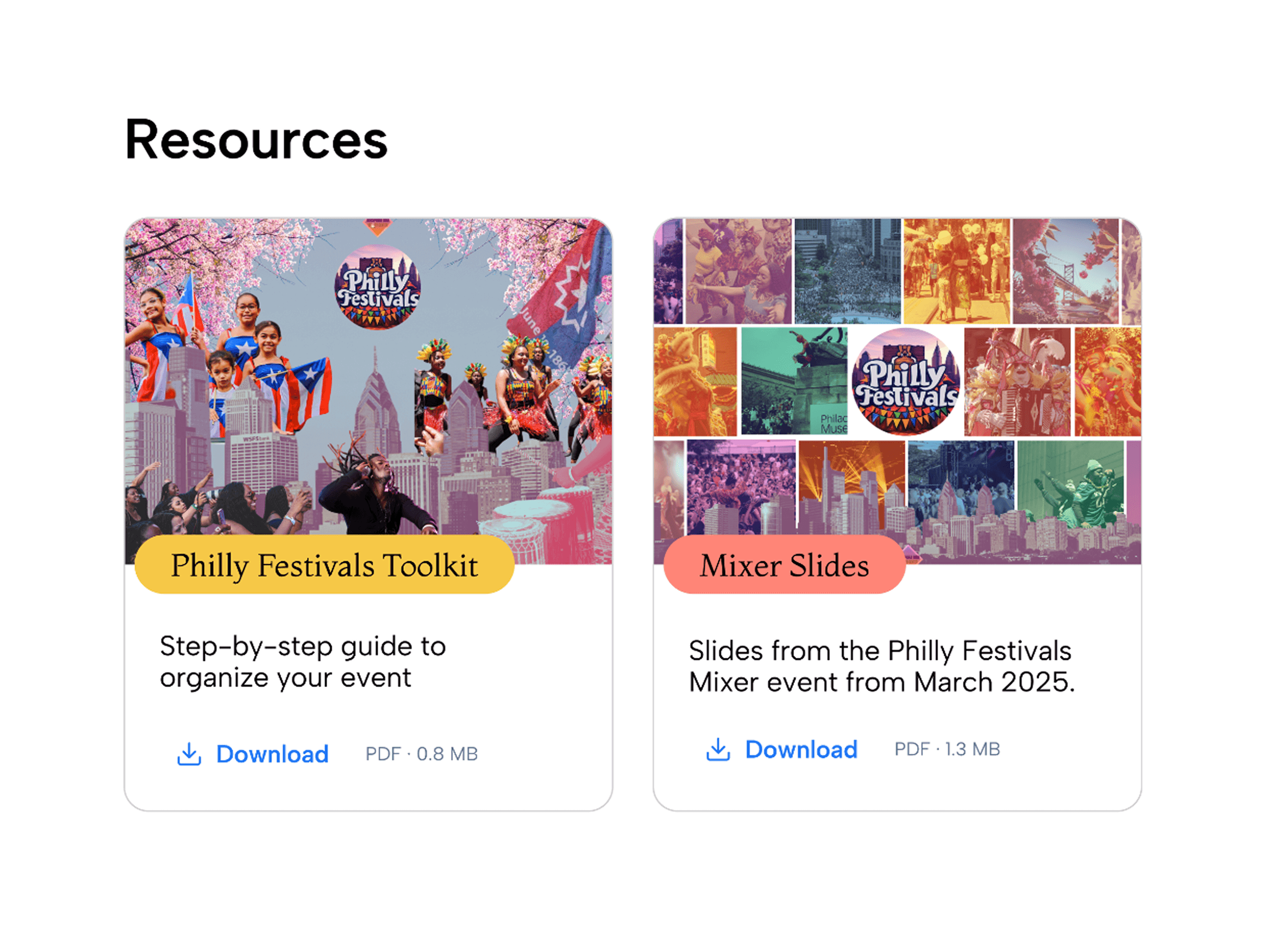
Resources/toolkits for producers
Design System
We developed a scalable design system to ensure consistency and flexibility as the platform grows beyond the MVP
The colors were inspired by The City of Philadelphia's Brand Bible, paired with vibrant graphics and imagery to bring the energy and spirit of festivals to life.
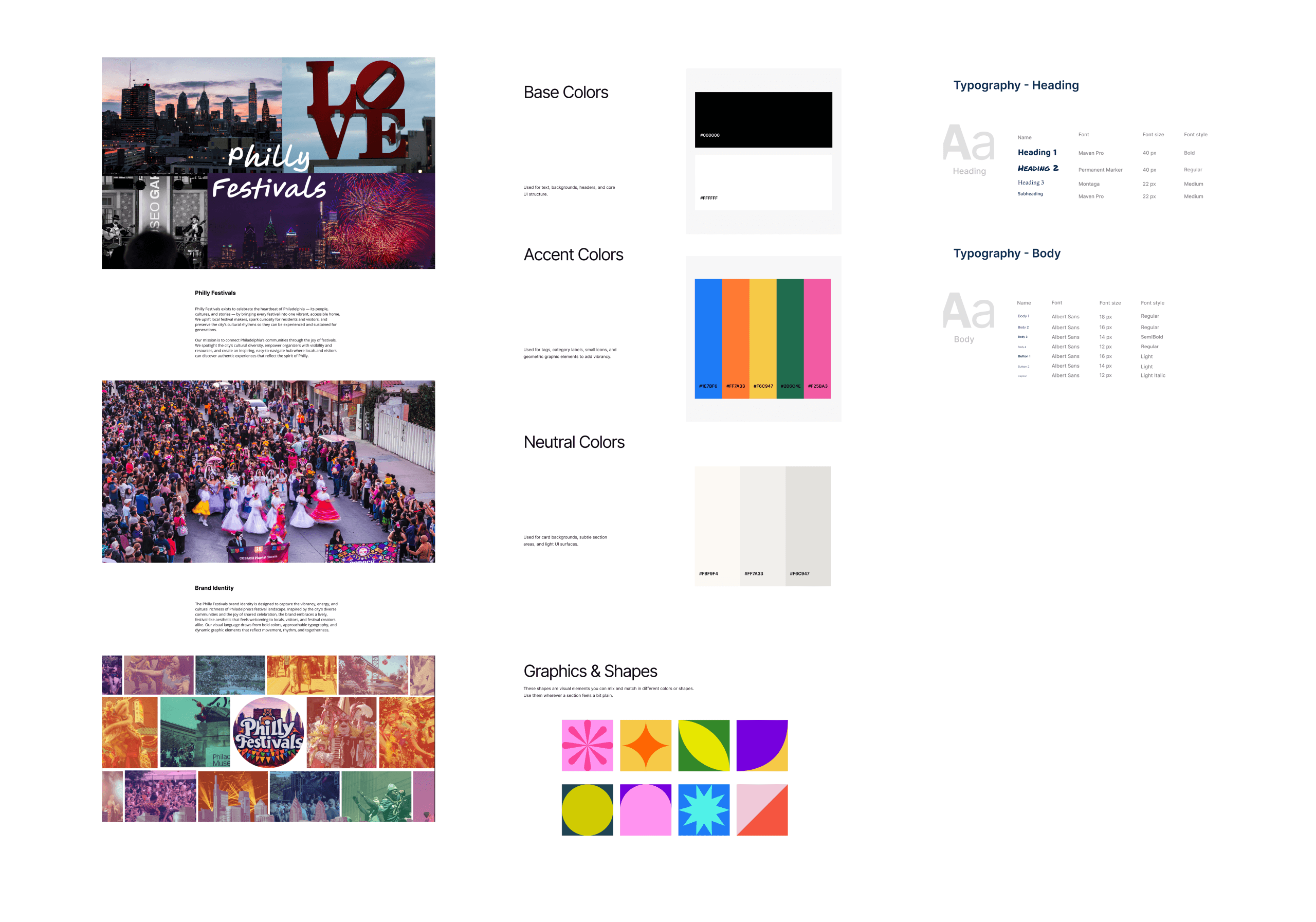
Colors, graphics, images, typography
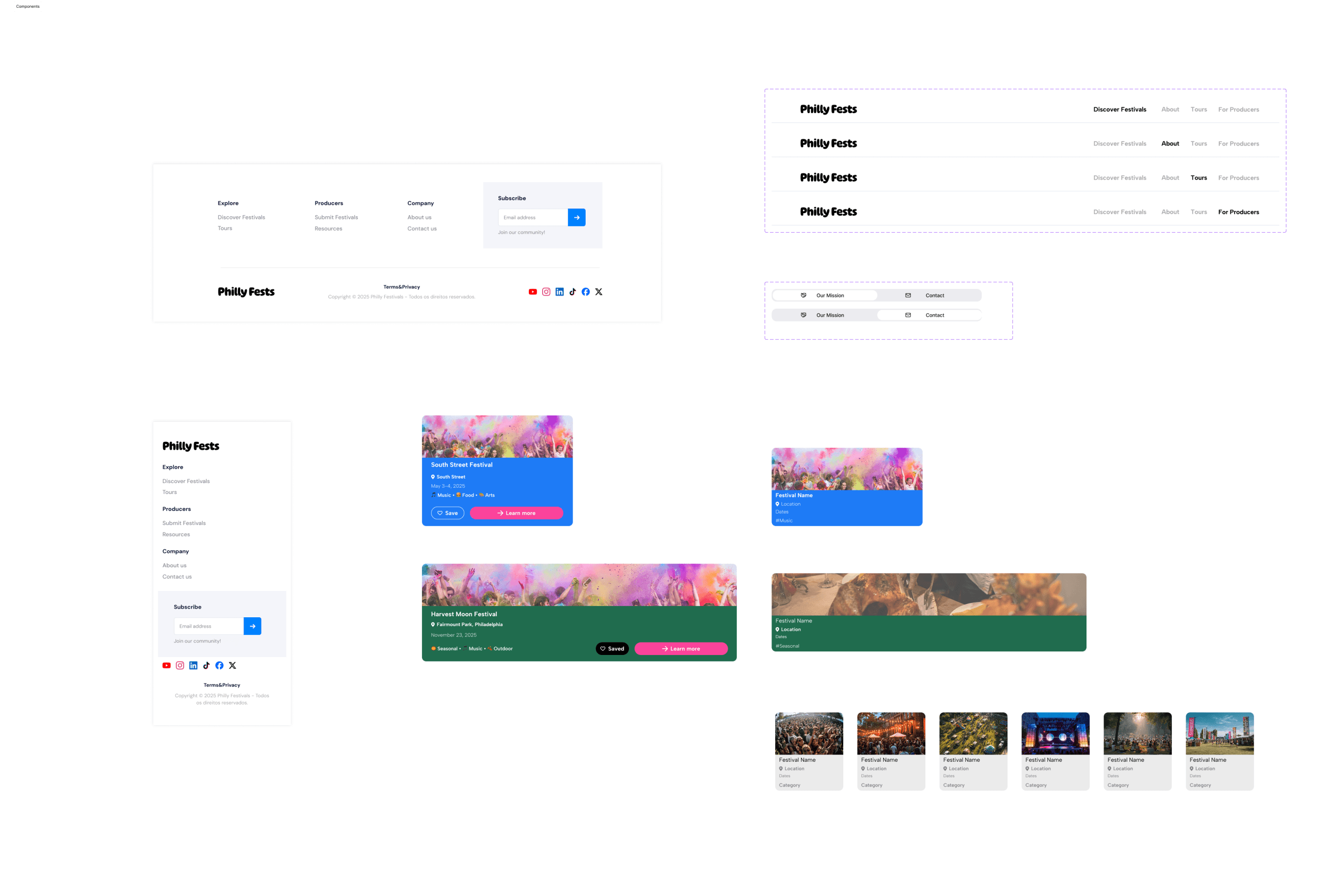
Components library
Impact
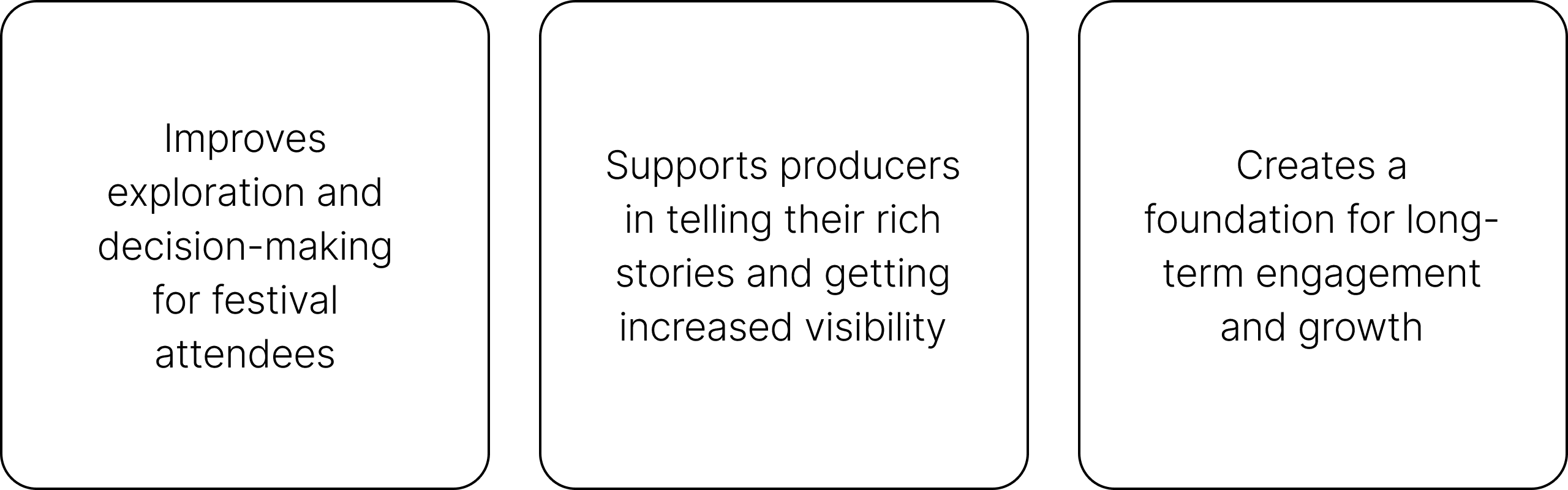
PhillyFests shifts the platform from a passive listing tool to an active discovery and planning experience
By prioritizing trust, clarity, and cultural context, the platform:
Reflection
Discovery isn’t just about access to information
It’s about confidence in decision-making, and translating complex, high-volume information into something clear and digestible
Designing for cultural experiences requires more than usability
It requires understanding how people connect to place, community, and meaning—and building systems that support that connection
